Sodium cocoyl isethionate (SCI) is a mild, coconut-derived anionic surfactant used in shampoo bars, facial cleansers, body bars, and other rinse-off personal care products. Known for its rich, creamy lather and skin-friendly pH, SCI gives formulators an effective alternative to traditional sulfate surfactants without compromising the cleansing experience.
SCI is one of many soap-making ingredients used by personal care manufacturers developing rinse-off products. Whether you’re sourcing raw materials for a new formulation or refining an existing one, Kraft Chemical can help you find ingredients that meet your performance goals and regulatory needs.
In this guide, we explain what sodium cocoyl isethionate is, how it works, the properties formulators should understand before working with it, and practical formulation considerations to help achieve consistent results.
What Is Sodium Cocoyl Isethionate?
Sodium cocoyl isethionate, commonly known as SCI, is an anionic surfactant used in rinse-off personal care products such as facial cleansers and body washes. It helps lift oils, dirt, and other impurities so they can be easily rinsed away with water. Personal care formulators choose SCI for its ability to cleanse effectively while maintaining a mild profile, making it well suited for products intended for frequent use.
How SCI Differs from Sulfate Surfactants
Unlike sodium lauryl sulfate (SLS) and sodium laureth sulfate (SLES), SCI is not a sulfate. It belongs to the acyl isethionate family of surfactants. That difference in chemistry contributes to SCI’s milder cleansing profile, making it a popular choice for formulations that cleanse effectively without the harsher feel of some traditional sulfates.
SCI’s Coconut Oil Origin and What It Means for Formulators
Commonly described as a coconut-derived surfactant, SCI is produced by reacting fatty acids derived from coconut oil with sodium isethionate. That’s an important distinction for brands focused on clean beauty or naturally derived ingredients. However, coconut-derived doesn’t automatically mean natural. Because SCI undergoes chemical processing during manufacturing, brands should carefully evaluate any natural or naturally derived marketing claims.
Key Properties of Sodium Cocoyl Isethionate
Understanding SCI’s physical and chemical characteristics can help you determine where it performs best.
Physical Form — Powder, Noodles, and Flakes
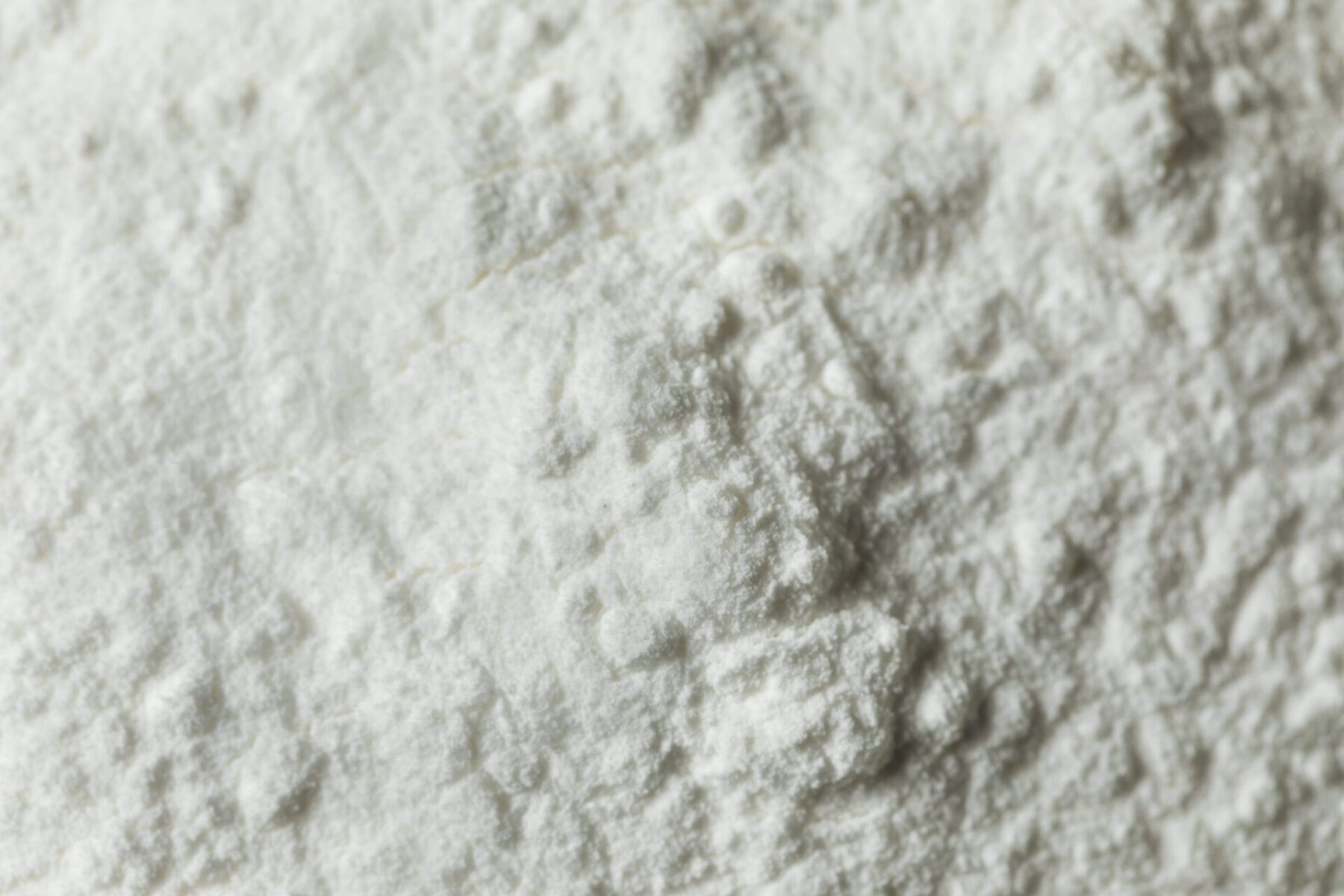
SCI is available as a powder, noodles, or flakes, each form suited to different manufacturing needs. Powder is easy to weigh and disperse, while noodles and flakes are often preferred for larger production runs.
At Kraft Chemical, we supply Sodium Cocoyl Isethionate (SCI) 85% in easy-to-handle white noodle form.
pH, Solubility, and Thermal Behavior
A 1% aqueous solution of SCI typically has a pH between 5.5 and 6.5, making it well suited for skin-friendly rinse-off products. It is only slightly soluble in cold water and generally requires heating above 70°C (158°F) to fully disperse in liquid systems. With an HLB value of approximately 10 to 12, SCI functions as a water-soluble surfactant.
Although surfactants and skincare emulsifiers often appear in the same formulation, they serve different purposes. Surfactants primarily cleanse, while emulsifiers help blend oil- and water-based ingredients.
Foaming Profile and Lather Characteristics
SCI is known for producing a dense, creamy lather rather than large, airy bubbles. Hard water can reduce foam volume, which is one reason many formulators pair SCI with complementary surfactants to improve lather consistency across different water conditions.
Benefits of SCI for Skin and Hair Care Formulations
SCI has a wide range of rinse-off application benefits, including:
Gentle Yet Effective Cleansing: SCI delivers a rich, satisfying cleanse that lifts away dirt and oil without the harsher feel associated with some traditional surfactants. Its mild profile makes it a trusted choice for formulations intended for sensitive or dry skin.
Soft Feel After Every Wash: SCI helps create products that leave skin and hair feeling soft and comfortable after rinsing. Its balanced performance makes it a popular choice for premium rinse-off formulations.
Designed for Everyday Use: Because SCI supports formulations with a pH closer to the skin’s natural surface than traditional soap bars, it’s well-suited for products people can comfortably use day after day.
How to Formulate with Sodium Cocoyl Isethionate
SCI is a versatile surfactant, but achieving optimal performance starts with understanding how it’s used across different formulations. From usage rates to processing techniques, these are a few key considerations that can help you get the most from SCI.
Usage Rates by Application Type
| Application | Typical SCI Usage Rate | Notes |
|---|---|---|
| Solid cleansing bars | 30% to 60% | Primary structuring surfactant |
| Solid shampoo bars | 25% to 50% | Often paired with an amphoteric co-surfactant |
| Facial cleansing bars | 20% to 40% | Lower usage rates are common for gentle formulations |
| Liquid cleansers | 5% to 15% | Requires full dispersion above 70°C |
| Bubble bath products | 5% to 20% | Often combined with additional foam boosters |
Co-Surfactant Pairings — Including Cocamidopropyl Betaine
While SCI performs well on its own, pairing it with complementary surfactants can improve lather, mildness, and even overall formulation stability.
- Cocamidopropyl Betaine (CAPB): One of the most common SCI pairings. It helps improve foam stability, supports performance in hard water, and enhances mildness.
- Sodium Cocoyl Glutamate: A good option for formulations developed for sensitive skin, offering a silky skin feel with a gentler foam profile.
- Disodium Lauryl Sulfosuccinate (DLSS): Frequently used when increased foam volume is desired without significantly increasing irritation potential.
- Foam Boosters: Additional surfactants or formulation aids may be incorporated to adjust foam, viscosity, and the overall sensory profile of liquid cleansing systems.
Processing SCI in Solid Bar vs. Liquid Systems
SCI is processed differently depending on the formulation type. In solid cleansing bars, it is typically blended with powdered ingredients before being compressed or hot processed into molds. During hot processing, temperatures between 70°C and 80°C help soften the surfactant while also contributing to the bar’s structure and hardness.
Liquid formulations require a different approach. SCI should be fully dispersed in water heated above 70°C (158°F) before other liquid ingredients are incorporated. After the formulation cools, check the final pH and adjust as needed. Using citric acid is a common way for formulators to adjust rinse-off products to the desired pH range.
Common SCI Formulation Mistakes to Avoid
Even experienced formulators can run into challenges when working with SCI.
- Adding SCI to Cold Water: SCI does not fully disperse in cold water, which can leave a grainy texture. For liquid formulations, heat the water to above 70°C (158°F) before slowly incorporating SCI while continuously mixing.
- Using SCI as the Only Surfactant: While SCI performs well on its own, pairing it with a complementary surfactant often improves foam stability, mildness, and overall product performance.
- Skipping Final pH Testing: Always check the finished product after it has cooled. Small pH adjustments can make a meaningful difference in product performance and skin feel.
- Ignoring Storage Conditions: SCI can absorb moisture from humid environments, leading to clumping before it’s incorporated into a formulation. Store it in a cool, dry location using sealed containers whenever possible.
Avoiding these common mistakes can help you achieve more consistent results with your formulations, but choosing the right ingredients from the right supplier is equally important.
At Kraft Chemical, we supply cosmetic-grade sodium cocoyl isethionate and other personal care ingredients to formulators developing high-performing rinse-off products. When you’re ready to move your formulation forward, our team is here with the ingredients and technical support to help you do it right.
Sodium Cocoyl Isethionate FAQs
What is sodium cocoyl isethionate used for?
SCI shows up in all kinds of rinse-off products, from shampoo bars and facial cleansers to liquid cleansers. Formulators like working with it because it delivers a dense lather while maintaining a mild cleansing profile.
Is sodium cocoyl isethionate safe for sensitive skin?
Generally, yes. SCI is known for its mild cleansing profile, making it a common choice for formulations intended for sensitive or dry skin. Keep in mind that how gentle a finished product feels depends on the entire formulation, not just one ingredient.
Is sodium cocoyl isethionate a sulfate?
No. Although it’s often used in sulfate-free formulations, SCI belongs to the acyl isethionate family, not the sulfate family.
Can you use sodium cocoyl isethionate in shampoo bars?
Absolutely. It creates a dense, creamy lather and is often paired with cocamidopropyl betaine (CAPB) to improve foam stability and overall performance in shampoo bars.
Where can I buy sodium cocoyl isethionate in bulk?
Kraft Chemical supplies Sodium Cocoyl Isethionate (SCI) 85% in bulk quantities for personal care manufacturers and formulators. Our team also assists with technical documentation to help you find the ideal ingredients for your formulation.
Comments are closed.