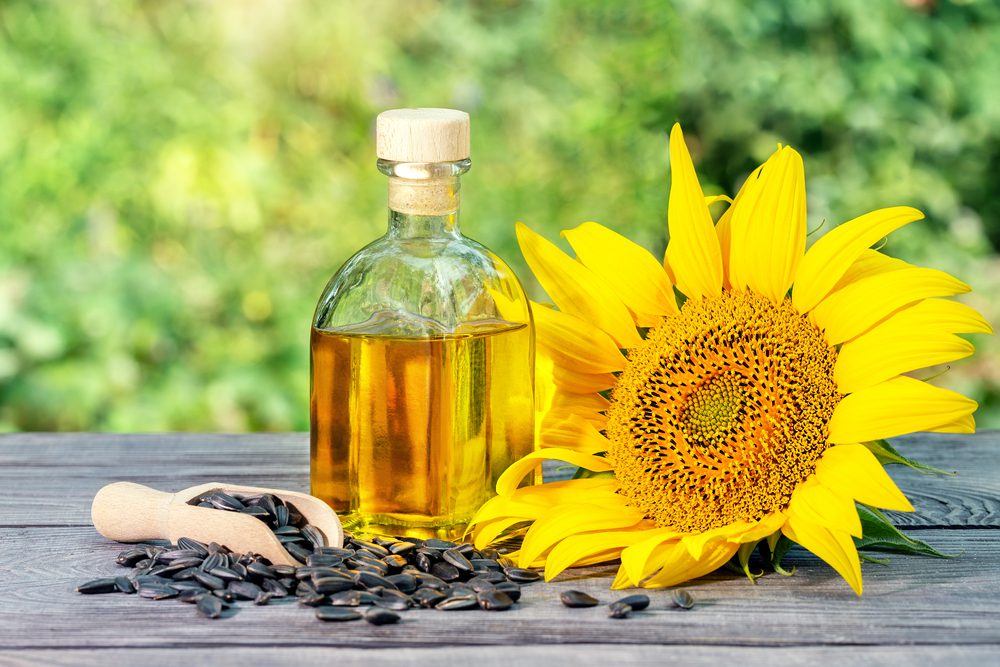
Sunflowers don’t just look good on your dining table; their oil has become a kitchen counter staple. These iconic flowers produce an oil highly regarded for unsaturated fats and heart health benefits. When used in moderation, sunflower oil boasts several major benefits for your skin, hair, heart, and more.
Continue reading to find out what sunflower seed oil is and how it can benefit your consumers.
What Is Sunflower Oil?
Sunflower oil is high in either linoleic or oleic acid, thanks to the four types available in the United States. These oils include high linoleic, mid-oleic, high oleic, and high stearic/oleic acid. The two acids contain high sources of energy and promote tissue strength. All sunflower oils contain vitamin E and are 100% fat.
4 Potential Health Benefits of Sunflower Oil
When it comes to sunflower oil, the health benefits are just as resounding as the benefits attached to olive and avocado oil. Let’s take a closer look at how sunflower oil can boost your appearance, help your heart, and relieve aching joints.
1. Skin and Hair Health
Sunflower seed oil is full of essential vitamins that keep skin soft and supple. It’s also known to prevent acne, regenerate skin cells, and act as a protective barrier from germs and bacteria. Sunflower oil’s value extends all the way to the top of your head, as it may be used as a means to treat baldness and hair loss.
2. Acne Treatment
When used correctly, sunflower oil may reduce the effects of acne. Linoleic acid is extremely moisturizing and contains vitamin E, an antioxidant known for its anti-inflammatory capabilities. Sunflower seed oil is also an ideal ingredient for anti-aging products.
If you’re formulating an acne product containing sunflower oil, make sure it’s cold-pressed. Cold-pressed oils have a shorter shelf life, but cooking oil should never be used on the skin.
3. Heart Health
If you want to get proactive about your heart health, start incorporating sunflower oil into your daily routine. This oil is packed with monounsaturated fats, which can help manage cholesterol levels and reduce the risk of heart disease. The presence of vitamin E also acts as an antioxidant, fighting off free radicals.
4. Joints, Respiratory Health, & More
Beyond its healthy heart and skin benefits, sunflower seed oil is known to help with arthritis, respiratory issues, digestive problems, and even brain health. The anti-inflammatory properties of sunflower oil could provide relief for achy joints as well as alleviate common asthma symptoms.
The Bottom Line
Your consumer wants the best—and we have it. Sunflower seed oil is just as healthy and powerful as other cooking oils on the shelves. Whether you’re using it for your skin, heart, or other health issues, you can depend on this oil to deliver more than just taste.
Explore our selection of organic food ingredients and botanical extracts, or talk to a specialist to discuss your product. Kraft Chemical supplies bulk refined sunflower oil for cosmetic and food manufacturers — available in drum and IBC quantities. Request a quote.
Order Refined Sunflower Oil TodayFrequently Asked Questions
What are the benefits of sunflower oil?
Sunflower oil offers several potential benefits, including support for skin and hair health, heart health, and joint or respiratory comfort. It’s rich in vitamin E and unsaturated fats, particularly linoleic and oleic acid, which contribute to its moisturizing and antioxidant properties. Many formulators also value it for its use in anti-aging and acne-focused skincare products.
Is sunflower oil good for skin?
Yes — sunflower oil is commonly used in skincare formulations because it’s rich in vitamin E and linoleic acid, both of which help keep skin soft and moisturized. It’s also known to support skin cell regeneration and act as a protective barrier against bacteria. Cold-pressed sunflower oil is typically preferred for skincare applications, including acne-focused products, since cooking-grade oils aren’t recommended for topical use.
What vitamins are in sunflower oil?
Sunflower oil is primarily known for its vitamin E content, an antioxidant that helps fight free radicals and supports anti-inflammatory benefits for both skin and heart health. (If sunflower oil contains other vitamins you’d like highlighted — such as vitamin K — let me know and I can adjust this answer; the current page content only references vitamin E specifically.)
Is sunflower oil better than olive oil?
Sunflower oil and olive oil each offer distinct benefits, and neither is universally “better” — the right choice often depends on the intended use. Sunflower oil is particularly high in vitamin E and linoleic acid, making it a popular choice for skincare and cosmetic formulations, while olive oil is more commonly associated with culinary and heart-health uses due to its monounsaturated fat profile. Both oils are considered healthy options when used appropriately for their intended purpose.
Comments are closed.