Description
Cetyl esters are used in cosmetics and personal care formulations to improve texture, stability, and sensory feel. They help creams, balms, and hair care products spread easily without feeling heavy or greasy.
Cetyl esters wax supports refined product aesthetics while maintaining formulation control across batches. This makes it a dependable choice for manufacturers and laboratories that prioritize quality, scalability, and predictable results.
What Are Cetyl Esters?
Cetyl esters are naturally-derived acids made into esterified alcohols. In cosmetic and personal care formulations, they function as texture enhancers and structuring agents, improving both the look and feel of finished products.
Key characteristics and benefits include:
- High-purity synthetic wax ester blend designed for consistent performance
- Enhances texture and sensory profile, delivering a smooth, silky skin feel
- Improves slip, thickness, and spreadability in topical applications
- Adds structure and body without contributing heaviness or drag
- Supports stable emulsified systems, helping maintain uniform product consistency
- Creates refined, luxurious finishes in creams, lotions, balms, and conditioners
Unlike heavier waxes or traditional fatty alcohols, cetyl esters provide structure while preserving a lightweight, elegant feel. This balance allows formulators to fine-tune viscosity without compromising user experience. Their predictable behavior across formulations makes cetyl esters especially useful in large-scale manufacturing environments where batch-to-batch consistency is critical.
Applications & Uses
Cetyl esters are valued for their ability to enhance texture, stability, and overall performance across a wide range of cosmetic and personal care products.
- Skin Creams & Lotions
Cetyl esters are commonly used in facial and body creams to improve spreadability and skin feel. They help products glide smoothly during application while contributing to a soft, non-greasy finish. In emulsions, cetyl esters also help control viscosity and enhance long-term stability, making them ideal for daily-use skincare products. - Balms, Butters & Ointments
In thicker formulations, cetyl esters provide structure and body without excessive firmness. This allows formulators to create balms and ointments that hold their shape while still melting comfortably on contact with skin. The result is a more refined texture compared to heavier waxes alone. - Hair Conditioners & Treatments
Cetyl esters enhance slip and manageability in hair care formulations. They contribute to a smoother conditioning feel, making wet and dry hair easier to comb without weighing it down. Their lightweight nature supports clean rinsing while maintaining a polished sensory profile. - Lip Balms & Stick Products
In stick-based systems, cetyl esters help balance firmness and glide. They improve payoff and application smoothness while supporting product integrity during storage and use. This makes them especially useful in lip care, where texture and consistency directly impact consumer perception. - Emulsified Systems
Cetyl esters are frequently incorporated into oil-in-water and water-in-oil emulsions to support uniform structure and stability. They help reduce the risk of separation while improving the overall sensory experience.
Industries Served
Cetyl esters are used across multiple industries that require reliable performance, formulation flexibility, and consistent quality standards.
- Personal Care Manufacturers rely on cetyl esters for skin and hair care formulations that must achieve repeatable textures and sensory results at scale.
- Cosmetic Laboratories use cetyl esters during product development to fine-tune viscosity, spreadability, and stability.
- Contract Manufacturers benefit from the ingredient’s predictable behavior across large batches and formulations.
- Pharmaceutical Topicals incorporate cetyl esters in non-irritating topical systems that require controlled structure and application performance.
- Specialty Formulation Houses select cetyl esters for premium and custom formulations where appearance, feel, and stability are closely evaluated.
Additional Information
While some details may vary by source and composition, the information below reflects commonly referenced characteristics of cetyl esters used in cosmetic and personal care applications.
| Property | Description |
|---|---|
| INCI Name | Cetyl Esters |
| Chemical Class | Synthetic wax esters |
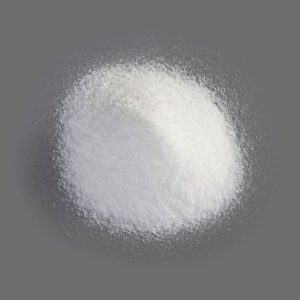
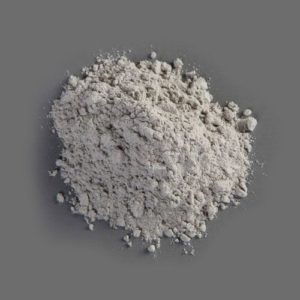
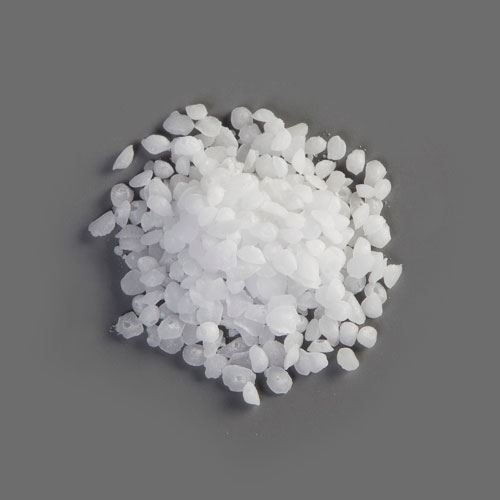
| Physical Form | Solid waxy flakes or pellets |
| Function | Texture enhancer, structuring agent, sensory modifier |
| Typical Use Level | Varies by formulation and desired viscosity |
Depending on the desired performance outcome, formulators may pair cetyl esters with complementary ingredients such as cetyl palmitate, cetearyl alcohol, or stearyl alcohol to fine-tune structure, melt profile, and application feel. This flexibility allows for targeted optimization across a wide range of product types, from lightweight emulsions to more structured balm systems.
Cetyl esters wax is widely recognized within the cosmetics industry and is commonly referenced in formulation databases and ingredient guides. Its long history of use and predictable performance profile make it a reliable choice for both established and emerging product lines.
Request a Quote
Whether you’re working on a new formula or reworking an existing one, Kraft Chemical can support your needs with dependable supply chain capabilities and technical expertise. Our team works closely with manufacturers and laboratories that demand the industry’s highest quality and regulatory standards when using cetyl esters for hair products and personal care formulations.