Description
Kraft Chemical is a trusted calcium propionate supplier for food & beverage manufacturers and agricultural organizations across the U.S. Bulk quantities and technical support available.
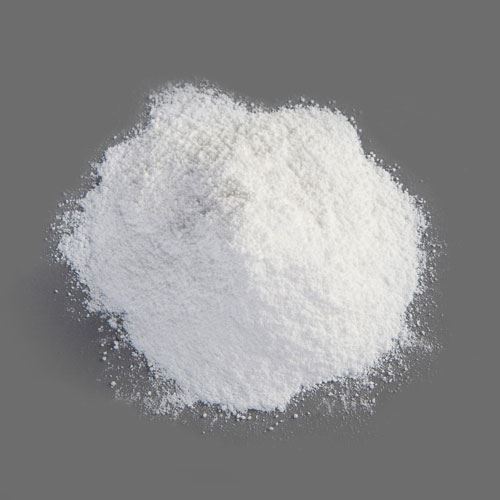
Calcium propionate (E282) is the calcium salt of propionic acid. It is a white, crystalline powder used as an antimicrobial preservative in baked goods, dairy products, processed meats, and animal feed. As part of our broader portfolio of food-grade preservatives, calcium propionate plays a key role in extending shelf life and maintaining product quality.
Contact Kraft Chemical today to request a quote or a sample.
What Is Calcium Propionate? (Definition & Properties)
Calcium propionate is the calcium salt of propionic acid, a naturally occurring short-chain fatty acid. It is recognized as a food additive and listed as E number 282 in the Codex Alimentarius. It functions as an antimicrobial agent, inhibiting the growth of mold and bacteria by disrupting microbial enzyme activity. Unlike benzoates, calcium propionate does not require a strictly acidic environment to remain effective, making it a versatile option across multiple formulations.
Chemical and Physical Properties
- CAS#: 4075-81-4
- Formula: Ca(C₂H₅COO)₂
- E Number: E282
- Appearance: White crystalline powder or granules
- Solubility: ~49 g/100 mL at 0°C; ~55.8 g/100 mL at 100°C
- Effective pH Range: Below 5.5 (optimal antimicrobial activity)
- Typical Purity: ≥99% (food-grade)
What Is Calcium Propionate Made From?
Calcium propionate is produced by neutralizing propionic acid with calcium hydroxide or calcium carbonate. This reaction forms a stable, food-grade salt widely used in food & beverage and feed applications.
Propionic acid occurs naturally in certain foods, such as Swiss cheese, where it is produced through bacterial fermentation. However, commercial calcium propionate is manufactured synthetically to ensure consistent purity, performance, and regulatory compliance for manufacturing use.
Applications: Where Calcium Propionate Is Used
Calcium propionate is widely used across food, feed, and industrial applications due to its ability to inhibit mold and bacteria without interfering with fermentation processes.
Bakery & Bread
If you’re wondering what calcium propionate is in bread, it acts as a preservative that prevents mold growth while allowing yeast fermentation to proceed normally. This is a key advantage over other preservatives, making it the industry-standard mold inhibitor in commercial baking.
- Used in bread, rolls, buns, tortillas, pizza crusts, and pastries
- Typical usage: 0.1–0.4% of flour weight
- FDA maximum: 0.32% in breads and rolls
Dairy & Cheese
Calcium propionate helps prevent spoilage during storage and distribution while supplementing naturally occurring propionates found in some cheeses. It is used in:
- Processed cheese
- Powdered milk
- Whey and cream-based products
Processed Meat & Poultry
Calcium propionate functions as an antimicrobial agent to extend the shelf life and reduce spoilage of processed meats, such as hot dogs and deli meats.
Animal Feed & Agriculture
Calcium propionate is used in dairy farming to help prevent milk fever (hypocalcemia) by providing a supplemental source of calcium. It is also formulated at levels up to 1% in livestock feed to:
- Prevent mold growth in stored feed
- Support livestock health
Beverages & Other Applications
Calcium propionate is also used as a preservative in:
- Fruit-based beverages
- Beer, wine, and cider formulations
- Cosmetics and personal care products
Need bulk calcium propionate for your application? Request a quote today.
Calcium Propionate vs. Sodium Propionate — Which Should You Use?
Both calcium propionate (E282) and sodium propionate (E281) are widely used as mold inhibitors, but their performance varies depending on the formulation and application.
| Feature | Calcium Propionate | Sodium Propionate |
|---|---|---|
| Effect on Yeast | No impact — ideal for yeast-leavened products | Can delay fermentation — not ideal for bread |
| Best Applications | Bread, rolls, yeast-based baked goods | Cakes, pastries, non-yeast baked goods |
| Calcium Content | Yes — adds minor calcium value | None |
| Sodium Content | None — supports low-sodium formulations | Adds sodium |
In most commercial baking environments, calcium propionate is preferred because it preserves shelf life without interfering with yeast activity. Sodium propionate may be more suitable for products that are chemically leavened with baking powder or baking soda.
Kraft Chemical supplies calcium propionate and sodium propionate to support formulators across a wide range of baking applications.
Safety, Regulatory Status & Is Calcium Propionate Vegan?
Regulatory Status
Calcium propionate is classified as safe for use in food and feed applications.
- Recognized as GRAS (Generally Recognized as Safe) by FDA 21 CFR 184.1221
- Designated as E282 in international food standards
- Evaluated and confirmed safe by the FAO/WHO Joint Expert Committee on Food Additives (JECFA)
Side Effects & Safety Considerations
Calcium propionate is generally well-tolerated and widely accepted as safe based on extensive toxicological reviews. When consumed, the body does not store calcium propionate; instead, it metabolizes it through normal fatty acid pathways.
In rare cases, some individuals have reported headaches or migraines and mild skin irritation.
Is Calcium Propionate Vegan?
Yes — commercial calcium propionate is fully vegan. It is synthesized from propionic acid and calcium compounds, with no animal-derived ingredients involved. Although it contains calcium, it is not sourced from dairy.
Calcium propionate is also:
- Kosher (Parve)
- Halal-compatible
- Dairy-free
Note: While naturally occurring propionic acid in certain cheeses is not vegan, food-grade calcium propionate used in manufacturing is produced synthetically and meets vegan formulation requirements.
Why Source Calcium Propionate from Kraft Chemical?
As a trusted food ingredient supplier, Kraft Chemical helps streamline sourcing by offering a comprehensive portfolio of preservatives and related ingredients in one place. We offer consistent quality, dependable supply, and technical expertise to support your formulation and production goals.
With six decades and counting of experience serving the food and agricultural markets, we provide:
- FDA and USDA certified food-grade calcium propionate meeting FCC specifications
- Reliable, U.S.-based supply chain for consistent quality
- Technical support and documentation available, including SDS, CoA, and spec sheets
- Support from knowledgeable specialists who understand formulation needs
- Flexible order sizes — from bulk quantities to smaller volumes
FAQs — Calcium Propionate
What is calcium propionate?
Calcium propionate is a food-grade preservative used to prevent mold and bacterial growth. It is the calcium salt of propionic acid and is commonly used in bread, dairy products, processed meats, and animal feed. It is designated as E282 and widely used in commercial food production.
What does calcium propionate do in bread?
Calcium propionate acts as a mold inhibitor in bread. It prevents spoilage while allowing yeast fermentation to continue normally, making it essential for extending shelf life in commercial baking.
What is calcium propionate made from?
Calcium propionate is made by reacting propionic acid with calcium hydroxide or calcium carbonate. The result is a stable, food-grade compound used for preservation.
Is calcium propionate vegan?
Yes, calcium propionate is vegan. It is synthetically produced and contains no animal-derived ingredients, making it suitable for vegan and vegetarian formulations.
Does calcium propionate have side effects?
Calcium propionate is considered safe for most people. In rare cases, some individuals may experience mild side effects such as headaches or skin irritation, but it is generally well-tolerated at approved usage levels.
Where can I buy calcium propionate in bulk?
Kraft Chemical supplies bulk calcium propionate to manufacturers, bakeries, and processors across the United States. Contact our team or request a quote directly through this page to get started.
Additional information
| CAS# | 4075-81-4 |
|---|---|
| Formula | Ca(C2H5COO)2 |